
Thyroid Cancer and Pregnancy Planning
Written by John P. Sabra, MD FACS
Updated September 2026
Educational only. This article is not medical advice. Always consult your physician about your individual situation.
A thyroid cancer diagnosis in a woman of childbearing age raises immediate questions about pregnancy: can I still have children, how long should I wait after treatment, how does pregnancy affect cancer surveillance, and what happens with my medication during pregnancy?
The reassuring part is that fertility is preserved by standard thyroid cancer treatment, that pregnancy after the appropriate waiting periods is safe, and that the great majority of women with a thyroid cancer history go on to have normal pregnancies.
Thyroid cancer treatment does not affect ovarian function the way some other cancer treatments do. Surgery, even total thyroidectomy with neck dissection, leaves fertility intact. Radioactive iodine therapy, when it is used, has small but measurable effects on ovarian reserve in some patients but does not typically cause infertility. The main planning consideration is timing rather than fertility itself.
Timing Pregnancy After Treatment
| Treatment | Typical Wait Time Before Pregnancy |
|---|---|
| Thyroidectomy alone | Once the levothyroxine dose is stable and TSH at target, usually 3 to 6 months. |
| Thyroidectomy plus RAI | 6 to 12 months after the RAI dose. Some experts recommend 12 months. |
| Medullary thyroid cancer | Generally similar to differentiated cancer once calcitonin is suppressed. |
| On targeted therapy for advanced disease | Pregnancy generally deferred. Discuss with the oncology team. |
⚕ Clinical note
The 6 to 12 month wait after radioactive iodine is recommended for several reasons: to let ovarian function fully recover, to allow assessment of the initial RAI response, and to confirm a stable thyroglobulin level before pregnancy adds variables. Pregnancy too soon after RAI goes along with slightly higher rates of miscarriage; the wait is protective.
Levothyroxine Dose Changes in Pregnancy
Thyroid hormone requirements rise during pregnancy. A woman who has had a total thyroidectomy and is on a stable levothyroxine dose typically needs a 25 to 50% dose increase, often starting in the first trimester. That increase is essential both for fetal development and for maintaining your own cancer surveillance TSH target.
-
Start the dose increase as soon as pregnancy is confirmed: Often a 25 to 30% empiric increase even before the first TSH check.
-
Check TSH every 4 to 6 weeks during pregnancy: To titrate the dose.
-
Return to the pre-pregnancy dose immediately after delivery: Hormone requirements drop rapidly.
-
Continue routine cancer surveillance during pregnancy: Thyroglobulin and neck ultrasound can be performed normally.
Surveillance During Pregnancy
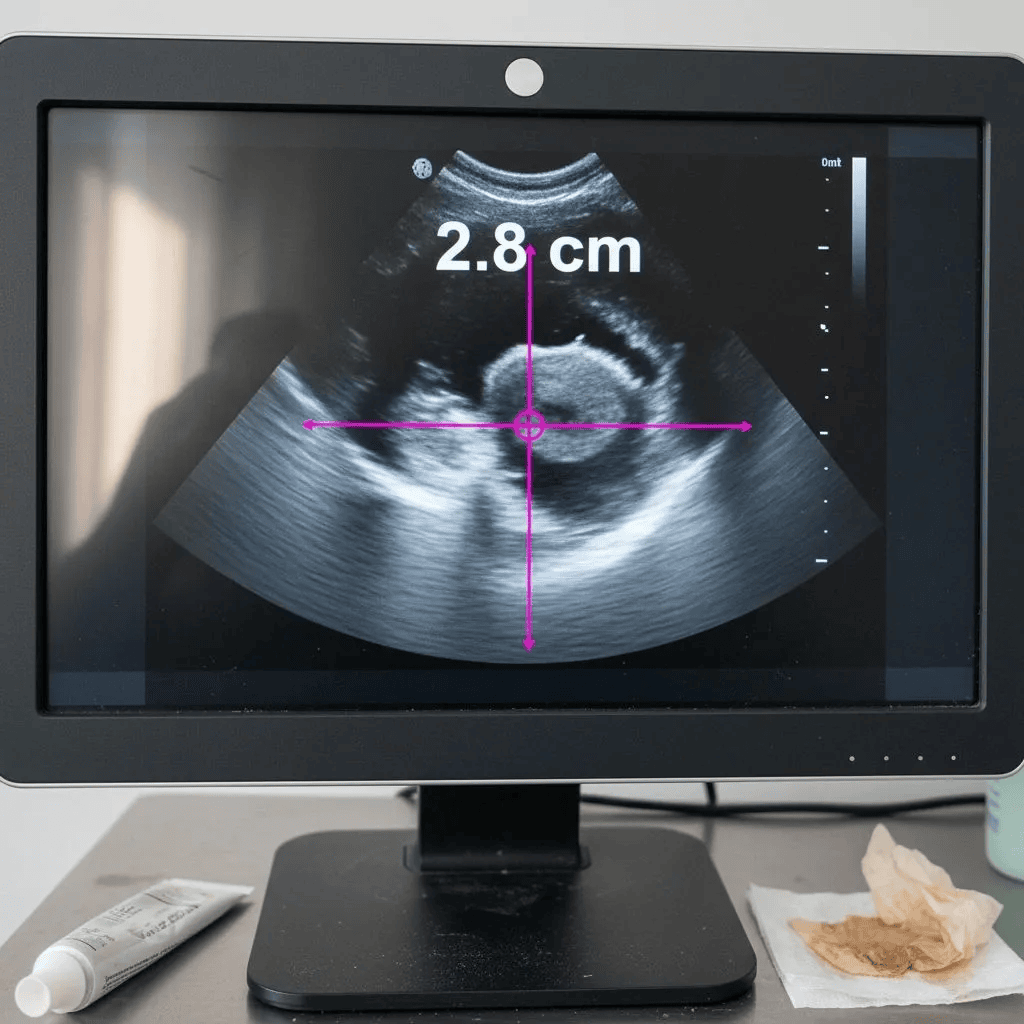
Thyroid cancer surveillance can be performed safely during pregnancy without modification. Neck ultrasound is safe and frequently used. Thyroglobulin levels are unaffected by pregnancy and can be tracked normally. The main exception is whole-body iodine scans, which are not performed during pregnancy because of the radiation exposure to the fetus.
For most low-risk patients, surveillance can continue at the normal interval during pregnancy. For higher-risk patients or those with active disease, the surveillance schedule may be adjusted in consultation with the endocrinology and surgical teams.
Recurrence Risk and Pregnancy
Pregnancy itself does not appear to raise the risk of thyroid cancer recurrence. Multiple published studies have not shown a worse oncologic outcome for women who become pregnant after thyroid cancer treatment compared to women who do not. The exception is a small subset of patients with active or known residual disease at the time of conception; these patients warrant a more detailed discussion before pregnancy.
⚕ Clinical note
A woman with a history of thyroid cancer should coordinate care between her obstetrician, endocrinologist, and (when applicable) thyroid surgeon throughout pregnancy. The frequency of TSH checks, the levothyroxine dose adjustments, and the surveillance schedule can all be managed in parallel without disrupting either the pregnancy or the cancer care.
The Bottom Line
Thyroid cancer treatment preserves fertility, and pregnancy after the appropriate waiting periods is safe and does not increase cancer recurrence risk. Surveillance continues normally during pregnancy, with the exception of whole-body iodine scans. Coordinated care between obstetrics, endocrinology, and surgery makes pregnancy after thyroid cancer treatment essentially the same as any other.
If you are planning a pregnancy after thyroid cancer treatment, ask your endocrinologist about the right timing based on your specific treatment, and confirm a plan for levothyroxine adjustment once pregnancy is confirmed.
This article is intended for patient education only. It does not constitute medical advice and does not replace a consultation with your physician. Individual patient circumstances and clinical judgment determine the appropriate evaluation and management for every patient.
More from the Thyroid Cancer series



Ready to Talk to a Specialist?
A thyroid specialist can review your specific results, answer your questions, and help you understand exactly what your next steps should be. The ATLAS network connects you with experienced thyroid and parathyroid expert physicians who focus on thyroid disease.
Find a Thyroid Specialist Near You →