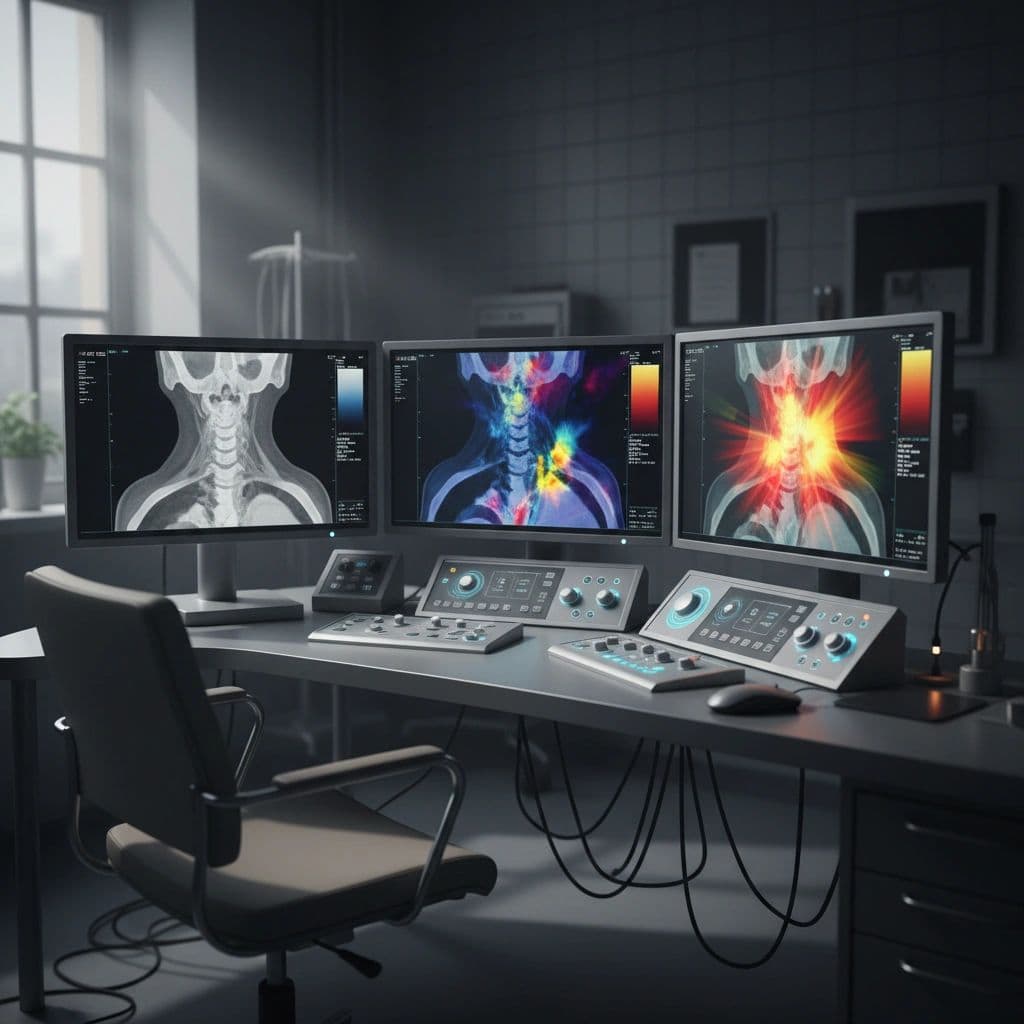
4D-CT for Parathyroid Disease: When Standard Imaging Is Not Enough
4D-CT is a specialized CT scan technique developed specifically for locating abnormal parathyroid glands. When ultrasound and sestamibi…
Read guide →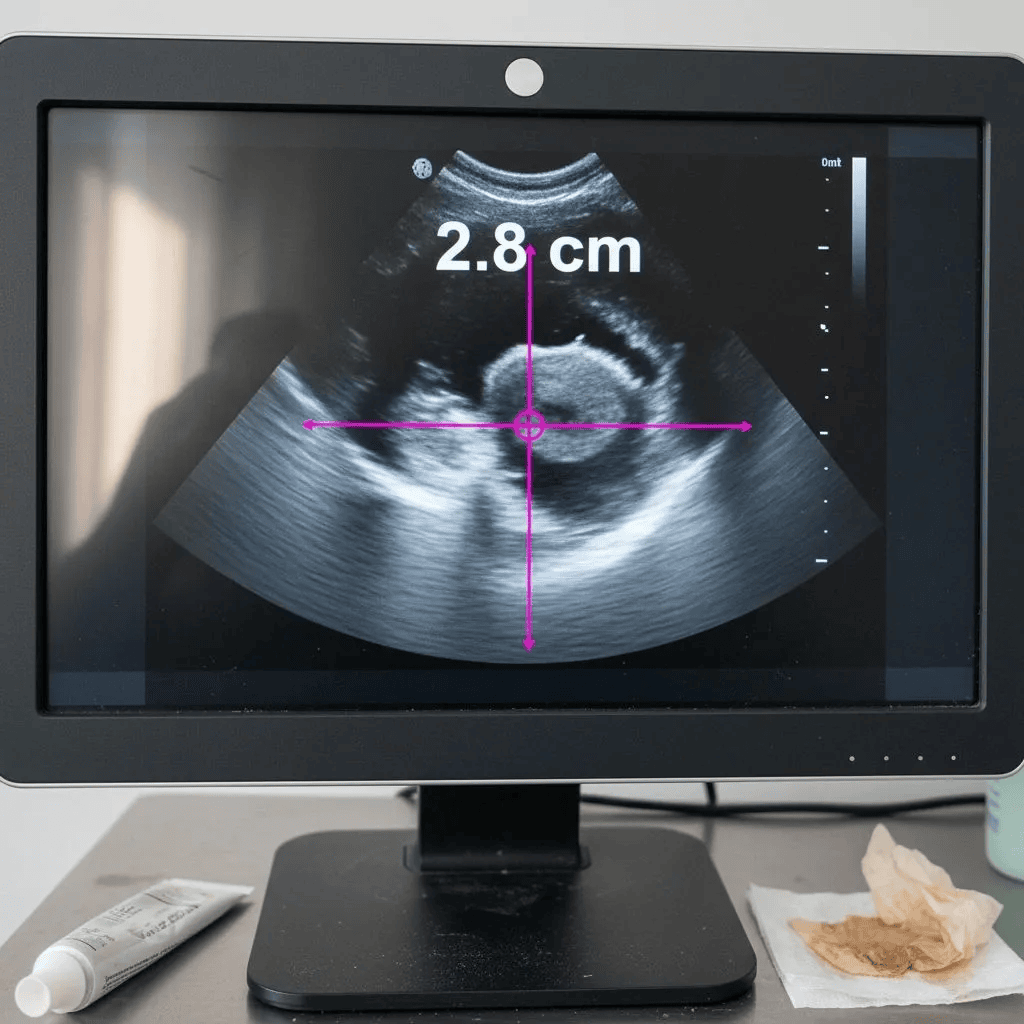
Active Surveillance for Small Papillary Thyroid Cancer: When Watching Is Smarter Than Surgery
Active surveillance for thyroid cancer is one of the most counterintuitive ideas in thyroid medicine. The patient has a confirmed cancer…
Read guide →
Anaplastic Thyroid Cancer: An Aggressive Type of Cancer
Anaplastic thyroid cancer is the rarest and most aggressive form of thyroid cancer. It accounts for fewer than 2% of thyroid cancer…
Read guide →
Your Biopsy Was Non-Diagnostic (Bethesda I): What Happens Now
A Bethesda I result is the most frustrating kind of biopsy outcome. The needle was used, the doctor performed a good technical biopsy, the…
Read guide →
Your Biopsy Was Benign (Bethesda II): Your Next 5 Years of Surveillance
A Bethesda II result is the most common biopsy outcome and the one most patients hope for. It means the cells from the thyroid nodule…
Read guide →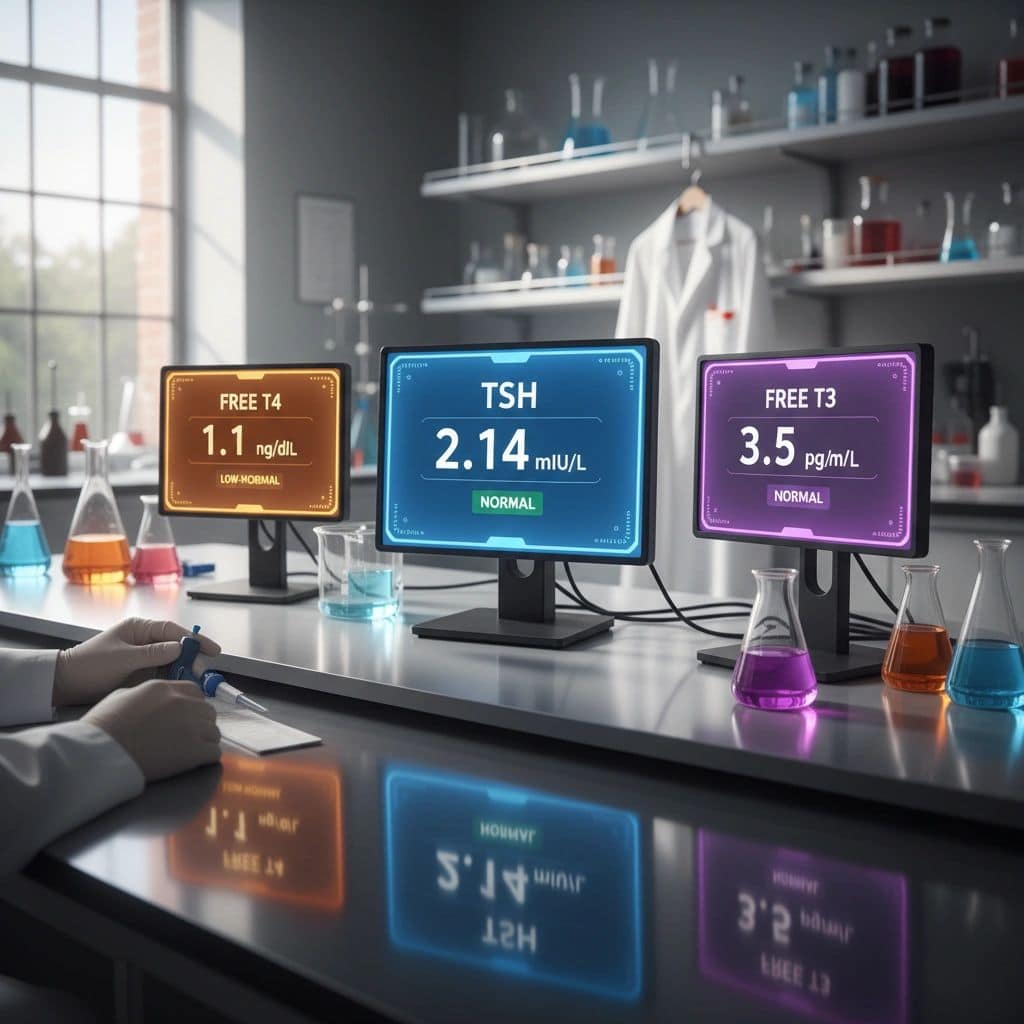
Calcitonin: The Lab That Watches for Medullary Thyroid Cancer
Calcitonin is a hormone made by the parafollicular C cells of the thyroid, the same cells that <u>medullary thyroid cancer</u> arises from.…
Read guide →
Reading Your Parathyroid Lab Panel: Calcium and PTH Together
A high calcium level alone is not a diagnosis for a parathyroid problem. A high parathyroid hormone (PTH) level alone is not a diagnosis…
Read guide →
Thyroid Cancer Follow-Up: Year 1, Year 2, and Year 5 Roadmap
After thyroid cancer surgery, most patients want to know one thing: what happens next? Follow-up is a structured, predictable process. The…
Read guide →
Choosing the Right Surgeon for Thyroid Cancer Surgery
One of the most important decisions that influences the outcome of thyroid cancer surgery is the choice of your surgeon. This is not a…
Read guide →