
Thyroid Microcarcinoma: When the Cancer Is Small Enough to Potentially Avoid Surgery
Written by John P. Sabra, MD FACS
Updated September 2026
Educational only. This article is not medical advice. Always consult your physician about your individual situation.
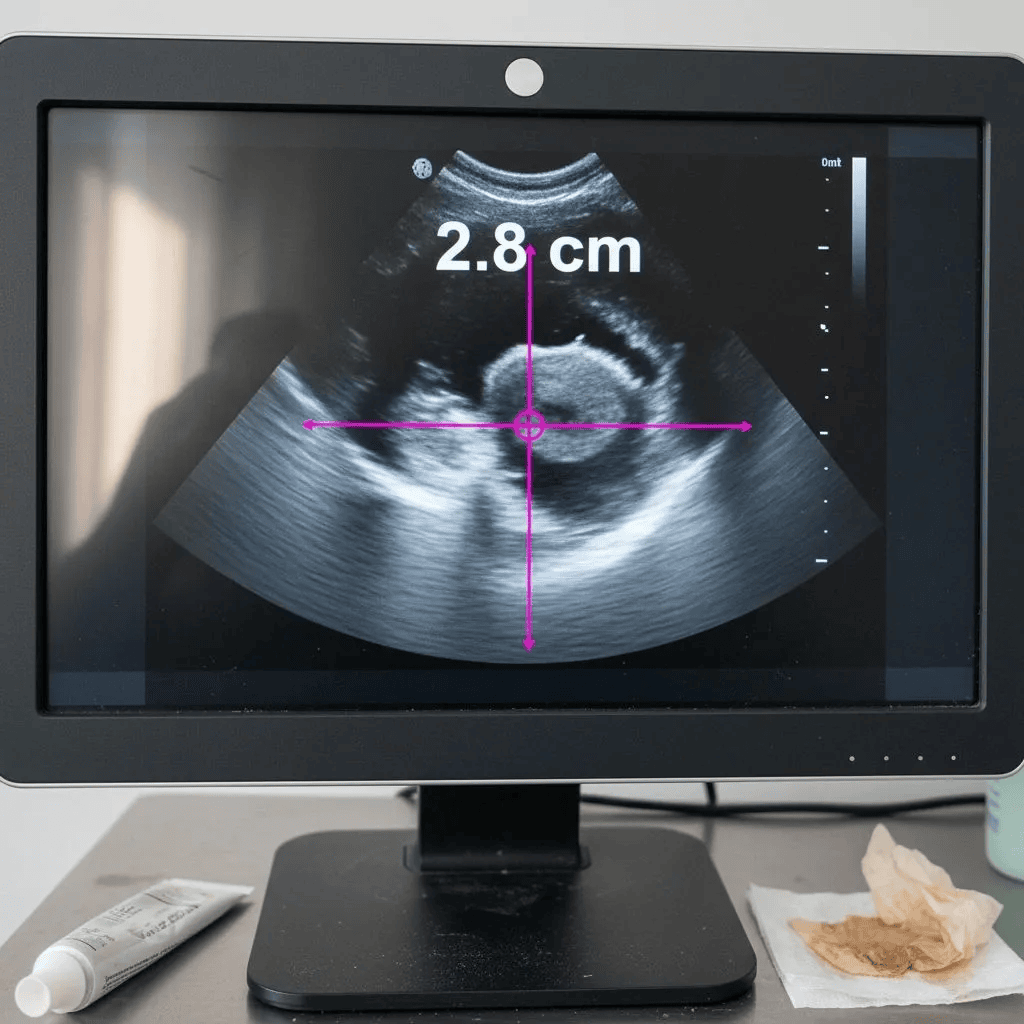
Papillary thyroid microcarcinoma is a thyroid cancer measuring 1 centimeter or less. It is becoming one of the most common forms of thyroid cancer found today, partly because modern imaging detects very small thyroid nodules that previous generations would never have known existed. The clinically important fact about microcarcinoma is that most of these cancers behave so differently that whether and how to treat them has become one of the most debated questions in thyroid medicine.
Autopsy studies in patients who died of other causes have consistently shown that approximately 5% of adults had a small papillary thyroid cancer that never produced symptoms and never threatened their health. These cancers existed for years or decades, never grew in a clinically meaningful way, and never threatened their hosts. The finding that small papillary thyroid cancers are widely present in the population, and almost universally indolent, is the basis for the modern debate about how to manage them when they are found.
This does not mean every microcarcinoma can be ignored. A subset shows aggressive features that behave more like a larger cancer. Distinguishing the cancers that can be safely watched from those that warrant prompt surgery is the challenge to thyroid specialists.
The Two Main Pathways
| Pathway | Who It Is For | What It Involves |
|---|---|---|
| Active surveillance | Selected patients with small (under 1 cm), well-confined microcarcinoma without aggressive features. | Regular ultrasound surveillance every 6 to 12 months. Surgery deferred unless growth or new features develop. Potential ablation candidacy. |
| Thyroid lobectomy | Patients who prefer definitive treatment, or whose tumor has any features that suggest more attention is warranted. | Removal of the affected half of the thyroid. Outpatient procedure, often preserving thyroid function. |
Who Is a Candidate for Active Surveillance
The criteria for active surveillance developed in Japan, and now applied at major academic centers in the United States, define a low-risk microcarcinoma as a papillary thyroid cancer that meets all of the following:
-
Tumor size 1 cm or less: The fundamental size criterion.
-
Located centrally in the thyroid lobe away from the thyroid capsule: Tumors near the back of the thyroid that are near the trachea or the recurrent laryngeal nerve are not candidates.
-
No suspicious lymph nodes: A careful ultrasound of the central and lateral neck must be normal.
-
No aggressive features on biopsy: Tall cell, columnar cell, or other suspicious variants are not candidates.
-
No molecular markers of aggressive behavior: BRAF mutation testing is not strictly required but is informative when available.
-
Patient understanding and complete agreement: Active surveillance requires reliable follow-up and patient acceptance of the approach.
⚕ Clinical note The published data on active surveillance for microcarcinoma shows that approximately 10 to 15% of tumors will grow by 3 mm or more over 10 years and trigger conversion to surgery. The remaining 85 to 90% do not grow significantly. No patient in the largest published series has died of thyroid cancer while on active surveillance. The approach is genuinely safe in carefully selected patients.
When Surgery Is the Right Choice
Surgery remains the right choice for many patients with microcarcinoma. Younger patients, patients with concerning features on imaging or pathology, patients with family history suggestive of a hereditary cancer syndrome, and patients who simply prefer definitive treatment all reasonably choose surgical resection. The procedure for low-risk microcarcinoma is thyroid lobectomy, which preserves the contralateral lobe and typically preserves thyroid function.
What If Surveillance Detects Growth
Growth during surveillance is defined as an increase of 3 mm or more in tumor diameter, or the appearance of a new suspicious lymph node. These findings prompt conversion from surveillance to surgery. The outcomes of patients who converted from surveillance to surgery are excellent. The cancer has not advanced beyond what would have been resectable initially, and surgical results are equivalent to upfront surgery.
The Outlook for Microcarcinoma Regardless of Approach
Whether managed by active surveillance or by surgery, the long-term outcome for patients with low-risk papillary thyroid microcarcinoma is excellent. 10-year disease-specific survival is greater than 99%. Cancer-related death is rare regardless of treatment timing. Recurrence rates after surgery for properly selected microcarcinomas are very low.
⚕ Clinical note The choice between active surveillance and immediate surgery for low-risk microcarcinoma is genuinely a choice. Neither is wrong. The right approach depends on the patient’s preferences, comfort with surveillance imaging, the surgeon and team available, and individual clinical features. A patient who is presented with active surveillance as an option, asks good questions, and then chooses surgery has made an entirely reasonable decision. So has the patient who chooses surveillance.
The Bottom Line
Papillary thyroid microcarcinoma is a small thyroid cancer that, in carefully selected low-risk patients, can be managed by active surveillance rather than immediate surgery. The criteria for candidacy are very specific. Both surveillance and surgery produce excellent long-term outcomes. The decision between them is appropriately individualized and requires a thyroid specialist experienced in both approaches.
If you have been diagnosed with a microcarcinoma, ask your thyroid surgeon and endocrinologist whether you meet the criteria for active surveillance and discuss both options before deciding.
This article is intended for patient education only. It does not constitute medical advice and does not replace a consultation with your physician. Individual patient circumstances and clinical judgment determine the appropriate evaluation and management for every patient.
More from the Thyroid Cancer series



Ready to Talk to a Specialist?
A thyroid specialist can review your specific results, answer your questions, and help you understand exactly what your next steps should be. The ATLAS network connects you with experienced thyroid and parathyroid expert physicians who focus on thyroid disease.
Find a Thyroid Specialist Near You →