Multinodular Goiter: When Surgery Is the Right Answer
Written by John P. Sabra, MD FACS
Updated September 2026
Educational only. This article is not medical advice. Always consult your physician about your individual situation.
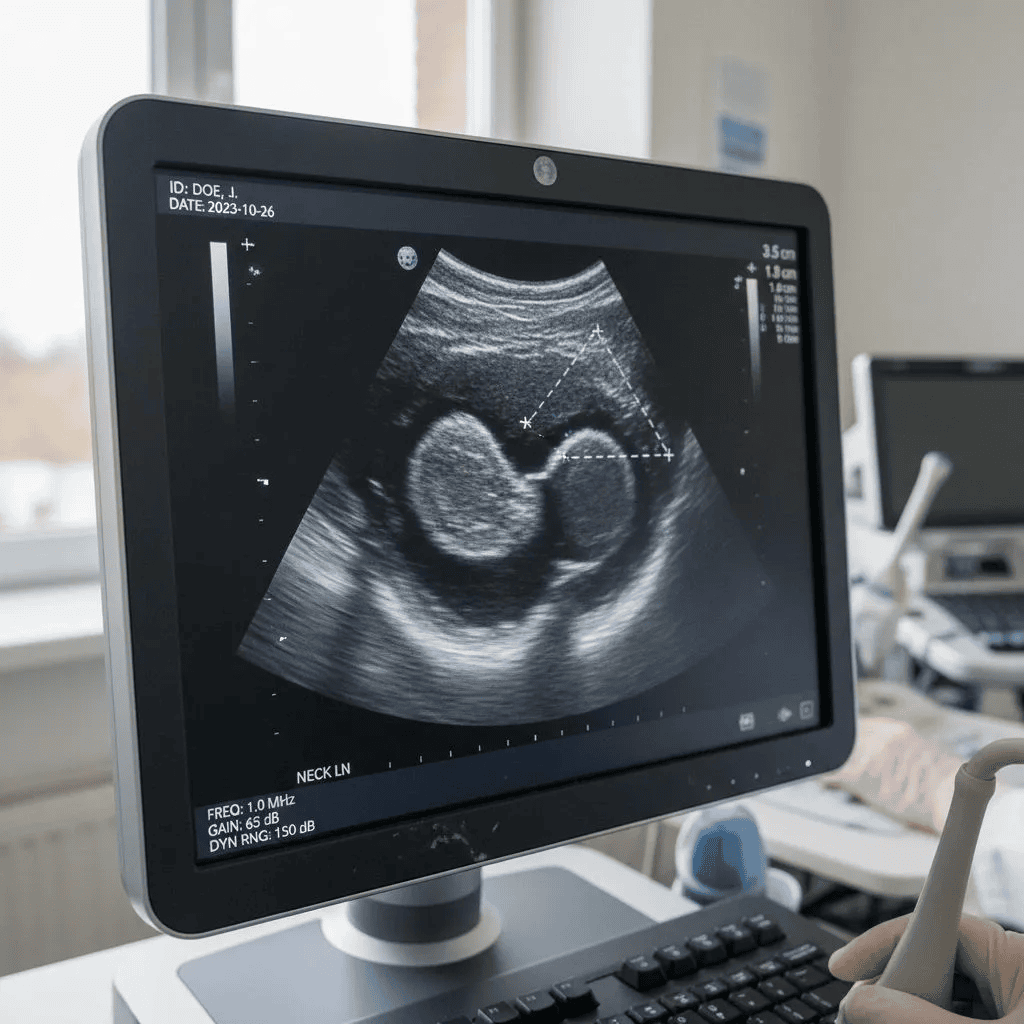
Multinodular goiter is the most common cause of an enlarged thyroid in the United States. The thyroid develops multiple nodules over years, often slowly, often without any symptoms at all. Most multinodular goiters never require surgery. A subset of them do, however.
Multinodular goiter, or MNG, is a condition in which the thyroid contains multiple discrete nodules, often of varying sizes. The cause is not fully understood, but it appears to relate to a combination of genetic predisposition, age, and possibly iodine status. Most patients develop the condition gradually over years to decades. Some are aware of it because a doctor felt a lump or because they noticed neck swelling. Others discover it incidentally on imaging done for something else.
One point reassures most patients. The overall risk of cancer in a multinodular goiter is similar to the risk in a thyroid with a single nodule. The presence of multiple nodules does not raise cancer risk. Each nodule is evaluated on its own characteristics using standard ultrasound risk stratification.
When Observation Is the Right Approach
Most multinodular goiters can be observed safely. A goiter that is asymptomatic, has reassuring ultrasound features in all of its dominant nodules, has normal thyroid function tests, and is not causing compressive issues does not require treatment. The standard approach is periodic ultrasound surveillance to watch for new or growing nodules, along with periodic thyroid function tests to catch any developing hormone abnormality.
When Surgery Becomes the Best Option
| Indication | Reasoning |
|---|---|
| Compressive symptoms (airway, swallowing) | Surgery removes the bulk that is causing the pressure. |
| Substernal extension | Goiter extending into the chest is usually best treated surgically. |
| Suspicious or malignant biopsy in any nodule | Definitive cancer evaluation and treatment. |
| Toxic multinodular goiter | Hyperthyroidism from multiple autonomously functioning nodules. Surgery definitively treats. |
| Continued growth despite observation | Progressive enlargement at risk of causing future symptoms. |
| Significant cosmetic concern | A reasonable indication after non-surgical options have been considered. |
Why Total Thyroidectomy Is Usually the Right Operation
When surgery is indicated for multinodular goiter, total thyroidectomy is typically preferred over lobectomy. The reasoning is straightforward. The disease process affects the whole thyroid, often producing nodules on both sides. Removing only one lobe leaves disease behind and creates a meaningful risk of needing a second operation later for new nodules in the remaining lobe. A single total thyroidectomy is generally better tolerated than two staged operations.
For a multinodular goiter strictly limited to one lobe with a healthy contralateral lobe, lobectomy is reasonable. The decision is individualized based on the imaging and your situation.
⚕ Clinical note: The size of a multinodular goiter affects how technically complex the surgery is. Very large goiters and substernal goiters are operations of substantial complexity that benefit meaningfully from a high-volume thyroid surgeon. For these cases, ask the surgeon directly about their specific experience with large or substernal goiters.
⚕ Clinical note Each nodule within a multinodular goiter is assessed individually for cancer risk. The presence of multiple nodules does not raise or lower the cancer risk for any specific nodule. The dominant nodule, or any nodule with suspicious features, is biopsied according to standard size and risk thresholds. Several nodules in the same goiter can carry very different ultrasound risk categories.
When Radio Frequency Ablation (RFA) Is an Alternative
RFA can be useful in multinodular goiter when symptoms are caused predominantly by one or two dominant nodules rather than by diffuse enlargement. Selectively treating the dominant nodules can relieve symptoms while preserving the thyroid. This is a reasonable approach for patients who want to avoid surgery and have favorable anatomy.
RFA is less useful when the goiter is large and diffuse, when multiple smaller nodules are contributing, or when the goiter has substernal extension. In those situations, surgery is typically the more efficient solution.
Toxic Multinodular Goiter
Toxic multinodular goiter is a specific variant in which multiple nodules become autonomously functioning, producing thyroid hormone independent of TSH control. The result is hyperthyroidism, often in older patients with long-standing nodular goiter. Treatment options are radioactive iodine, surgery, or in selected cases RFA to treat the most active nodules.
The choice among these depends on the size of the goiter, your age and cardiac health, the presence of compressive symptoms, and your own preferences. Antithyroid medication can control the hyperthyroidism temporarily, but it does not address the underlying disease.
Surveillance for Patients Not Having Surgery
-
Thyroid ultrasound: Initially every 1 to 2 years. Less frequent if the goiter is stable.
-
Thyroid function tests: Annually, to detect developing hyperthyroidism or hypothyroidism.
-
New symptoms: Any new pressure symptoms, voice changes, or growth on examination warrant earlier evaluation.
-
Suspicious nodule features on surveillance: These trigger biopsy according to standard ultrasound criteria, the same as for any single nodule.
The Bottom Line
Multinodular goiter is common, often slow-growing, and frequently observable without active treatment. Surgery becomes the right answer when there are compressive symptoms, substernal extension, suspicious biopsies, hyperthyroidism from autonomous function, or progressive growth. Total thyroidectomy is the typical operation. RFA has a role for selected single dominant nodules in patients who want to avoid surgery.
If you have a multinodular goiter, ask your endocrinologist or surgeon whether surveillance, RFA, or surgery is the most appropriate next step based on your specific imaging and symptoms.
This article is intended for patient education only. It does not constitute medical advice and does not replace a consultation with your physician. Individual patient circumstances and clinical judgment determine the appropriate evaluation and management for every patient.
More from the Surgical Procedures series



Ready to Talk to a Specialist?
A thyroid specialist can review your specific results, answer your questions, and help you understand exactly what your next steps should be. The ATLAS network connects you with experienced thyroid and parathyroid expert physicians who focus on thyroid disease.
Find a Thyroid Specialist Near You →