Thyroid Goiter: What It Is, Why It Happens, and When It Needs Treatment
Written by John P. Sabra, MD FACS
Updated September 2026
Educational only. This article is not medical advice. Always consult your physician about your individual situation.
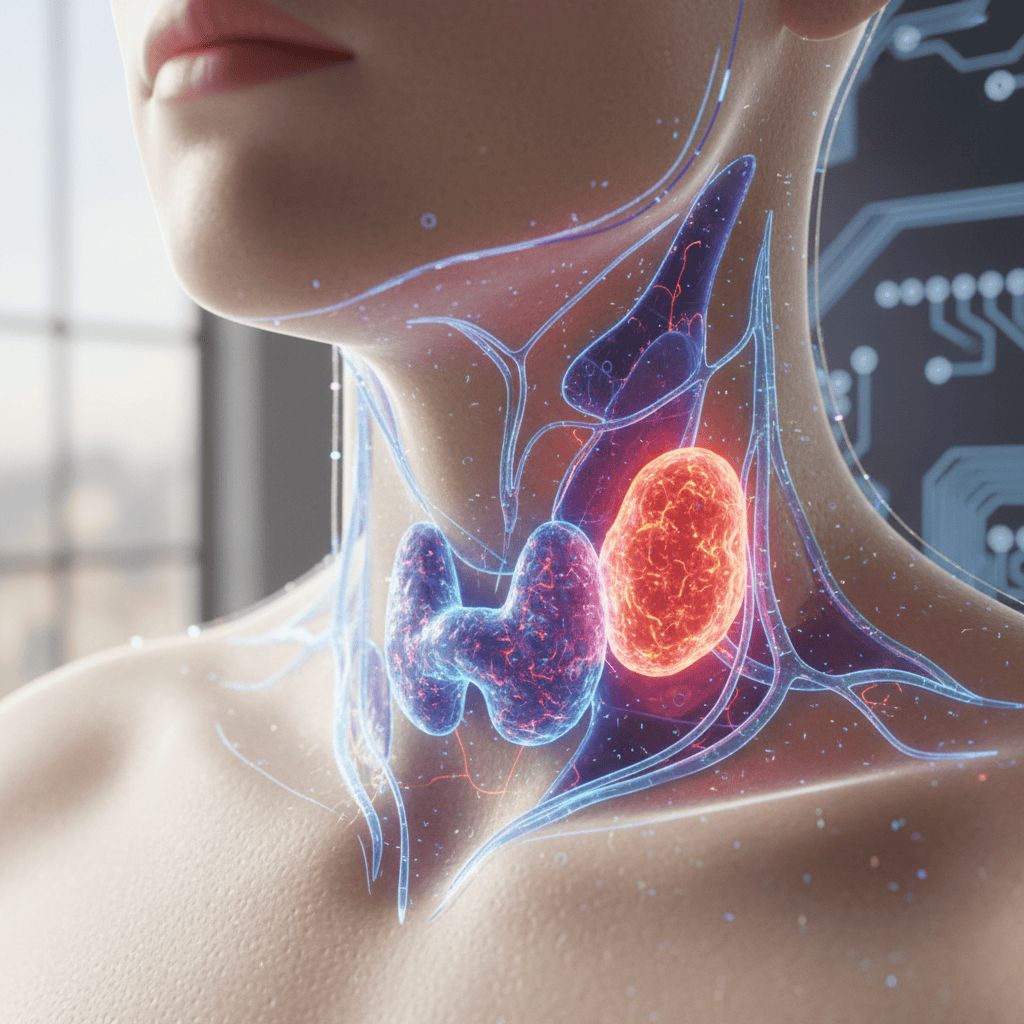
If a doctor has told you that you have a thyroid goiter, the word can sound more alarming than the finding usually is. Goiter simply means an enlarged thyroid gland. It is one of the oldest recognized conditions in medicine, and it remains one of the most common reasons patients are referred for a thyroid evaluation.
The cause behind the enlargement matters far more than the word itself. It can come from iodine deficiency, from autoimmune thyroid disease, from a single growing nodule, or from several distinct conditions. What kind of goiter you have is what determines whether and how it needs treatment.
Your thyroid is a butterfly-shaped gland in the lower neck that normally weighs about 15 to 20 grams in adults. A goiter is any enlargement beyond that normal size. Goiters fall into two patterns. A diffuse goiter is one where the whole gland enlarges uniformly. A nodular goiter is one where the enlargement is caused by one or more discrete nodules within the gland. The clinical implications differ for each.
When evaluating a goiter, we are answering three questions. What is causing the enlargement, is the thyroid producing too much or too little hormone, and is treatment needed at all.
Common Causes
-
Multinodular goiter: The most common cause in the United States. The thyroid develops multiple nodules over years, gradually enlarging the gland.
-
Hashimoto thyroiditis: Autoimmune disease of the thyroid, often associated with diffuse goiter and hypothyroidism.
-
Grave’s disease: Autoimmune stimulation of the thyroid causing diffuse goiter and hyperthyroidism.
-
Iodine deficiency: Historically the most common cause worldwide. Uncommon in the United States because of iodized salt.
-
Subacute thyroiditis: Inflammation, often after a viral illness, causing tender thyroid enlargement.
-
Single dominant nodule: One large nodule can give the appearance of a goiter even when the rest of the gland is normal.
-
Substernal goiter: Thyroid enlargement extending into the chest behind the sternum.
⚕ Clinical note: In iodine-rich countries like the United States, a goiter is almost always due to nodular thyroid disease, Hashimoto thyroiditis, or Grave’s disease. The classic picture of an iodine-deficient diffuse goiter has become uncommon since iodine supplementation became routine. The evaluation should focus on identifying which of these modern common causes is responsible.
When a Goiter Needs Treatment
Many goiters do not need treatment. Small or stable enlargement without symptoms, without abnormal lab values, and without suspicious nodules is often best left alone. Treatment becomes appropriate when one or more of the following are present.
| Indication | Reasoning |
|---|---|
| Compressive symptoms | Pressure on the airway, swallowing difficulty, voice changes. |
| Suspicion of cancer in a nodule | Suspicious imaging features or biopsy result. |
| Hyperthyroidism or hypothyroidism | Thyroid hormone imbalance requiring treatment of underlying cause. |
| Substernal extension | Goiter extending behind the sternum can cause progressive airway issues. |
| Cosmetic concern | Visible neck swelling that affects quality of life. |
| Continued growth despite stable thyroid function | Indicates underlying nodular process that may progress. |
Treatment Options
-
Observation: For small, stable, asymptomatic goiters. Periodic ultrasound and thyroid function monitoring.
-
Medication for hormone abnormality: Levothyroxine for hypothyroidism, antithyroid medication for hyperthyroidism, depending on the underlying cause.
-
Radioactive iodine: For Graves disease, toxic multinodular goiter, or selected nontoxic goiter situations.
-
RFA: For a single benign symptomatic nodule contributing significantly to the goiter.
-
Thyroid lobectomy: For unilateral disease.
-
Total thyroidectomy: For bilateral disease, large goiters, suspicious findings, or hyperthyroidism (Grave’s) when surgery is chosen.
⚕ Clinical note: A goiter that has been stable for years can still develop a new dominant nodule that warrants attention. A long-standing goiter does not exempt you from the standard evaluation when a new symptom or imaging change shows up. Each new finding is evaluated on its own merits.
When to Get Evaluated
-
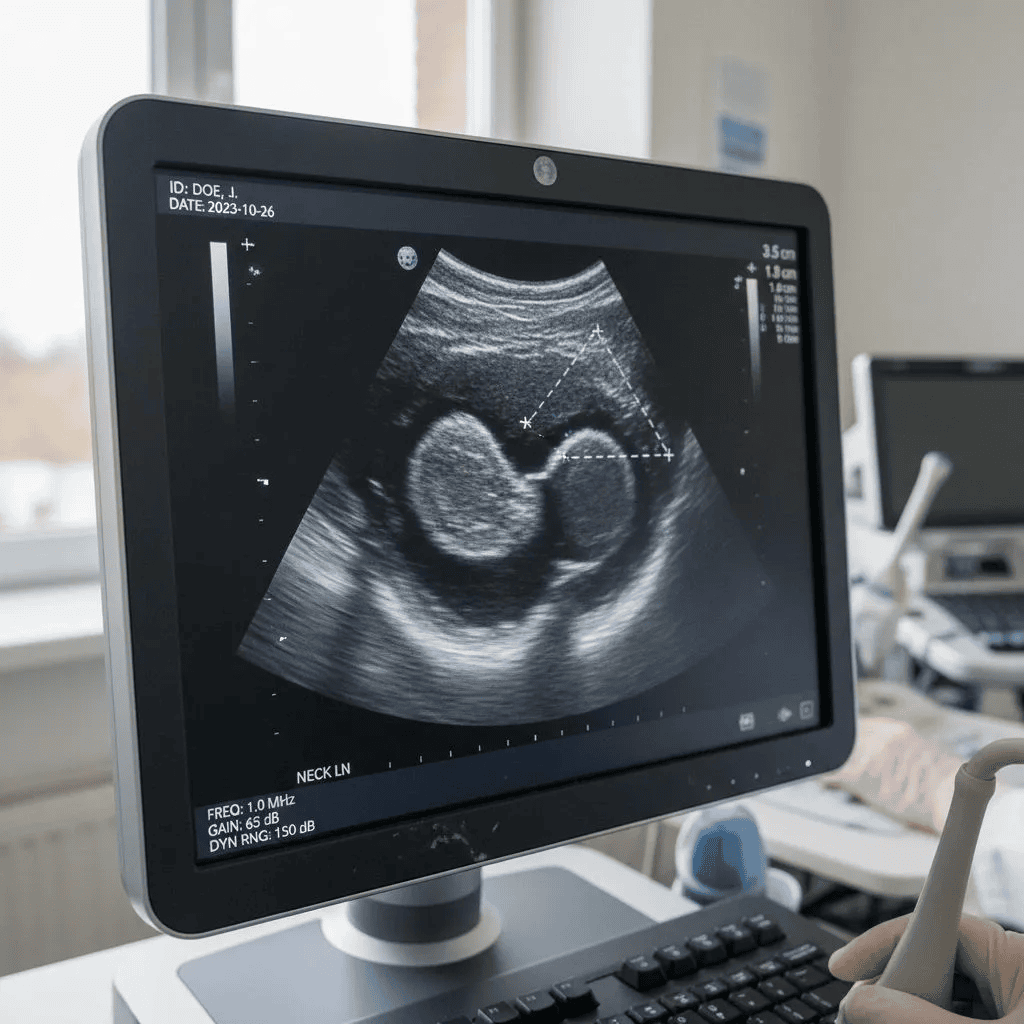
Visible neck swelling: Should be evaluated even if you have no symptoms, with ultrasound and thyroid function tests as the initial workup.
-
Symptoms of pressure: A tight collar, difficulty swallowing, breathing changes when lying flat.
-
Voice changes: New hoarseness warrants evaluation.
-
Symptoms of thyroid hormone excess or deficiency: Weight changes, palpitations, fatigue, temperature intolerance.
-
Family history of thyroid cancer or autoimmune thyroid disease: A lower threshold for evaluation.
The Bottom Line
Goiter is a general term for thyroid enlargement, not a single disease. The cause matters more than the size. Many goiters need nothing beyond periodic surveillance. Treatment becomes appropriate when there are compressive symptoms, hormone abnormalities, suspicious nodules, substernal extension, or significant cosmetic concern. The right evaluation starts with ultrasound, thyroid function tests, and a careful clinical assessment.
If you have noticed neck swelling or any of the symptoms above, schedule an evaluation and ask that thyroid ultrasound and TSH testing be done as the first steps.
This article is intended for patient education only. It does not constitute medical advice and does not replace a consultation with your physician. Individual patient circumstances and clinical judgment determine the appropriate evaluation and management for every patient.
More from the Surgical Procedures series



Ready to Talk to a Specialist?
A thyroid specialist can review your specific results, answer your questions, and help you understand exactly what your next steps should be. The ATLAS network connects you with experienced thyroid and parathyroid expert physicians who focus on thyroid disease.
Find a Thyroid Specialist Near You →