Persistent and Recurrent Hyperparathyroidism
Written by John P. Sabra, MD FACS
Updated September 2026
Educational only. This article is not medical advice. Always consult your physician about your individual situation.
Parathyroid surgery has a cure rate of 95 to 99% in experienced hands. The 1 to 5% of patients who are not cured fall into two groups: persistent disease (calcium and PTH never normalized after the first operation) and recurrent disease (an initial cure followed by a later return of hyperparathyroidism). Both call for a different surgical approach than the first operation, and both call for a surgeon with specific experience in reoperative parathyroid surgery.
Persistent hyperparathyroidism means elevated calcium within the first 6 months after surgery. The disease was never fully treated, usually because the abnormal gland was missed or only part of multi-gland disease was removed. Recurrent hyperparathyroidism means an initial cure (normal calcium for at least 6 months) followed by a later return of high calcium. The cause may be regrowth of an incompletely removed gland, growth of a previously normal gland that has turned abnormal, or in rare cases parathyroid cancer.
The reoperative situation is meaningfully different from a first operation. Scar tissue has replaced normal anatomy. The location of any remaining parathyroid glands is harder to predict. The recurrent laryngeal nerve may sit in a different position than expected. Cure rates are still very high in experienced hands, but they are lower than for first operations, and complication rates run slightly higher.
Why First Operations May Fail
-
Missed ectopic gland: The abnormal gland sat in an unusual location that was not explored during the first surgery (intrathyroidal, mediastinal, retroesophageal, or high in the neck).
-
Multi-gland disease misdiagnosed as single adenoma: The surgeon removed one abnormal gland but other glands that were not removed were also affected.
-
Limited preoperative imaging: The first surgery was performed without modern localization studies. (imaging is not diagnostic, but is very helpful in surgical planning when positive)
-
PTH monitoring not used: The surgeon had no real-time confirmation that the disease was fully removed.
-
Parathyroid cancer: Rare, but more likely to cause persistent disease because of incomplete initial resection.
⚕ Clinical note
The single most important step after a failed first parathyroid operation is to confirm the diagnosis biochemically before planning a reoperation. Get a complete set of labs: calcium, PTH, vitamin D, 24-hour urine calcium, and ionized calcium. Some patients labeled as having recurrent disease actually have a different cause for elevated calcium (medication, immobilization, malignancy elsewhere) and do not need reoperation at all.
The Pre-Reoperation Workup
-
Complete biochemical evaluation: Confirm persistent or recurrent primary hyperparathyroidism.
-
Review of the prior operative report and pathology: What was removed, what was left, what the pathology showed.
-
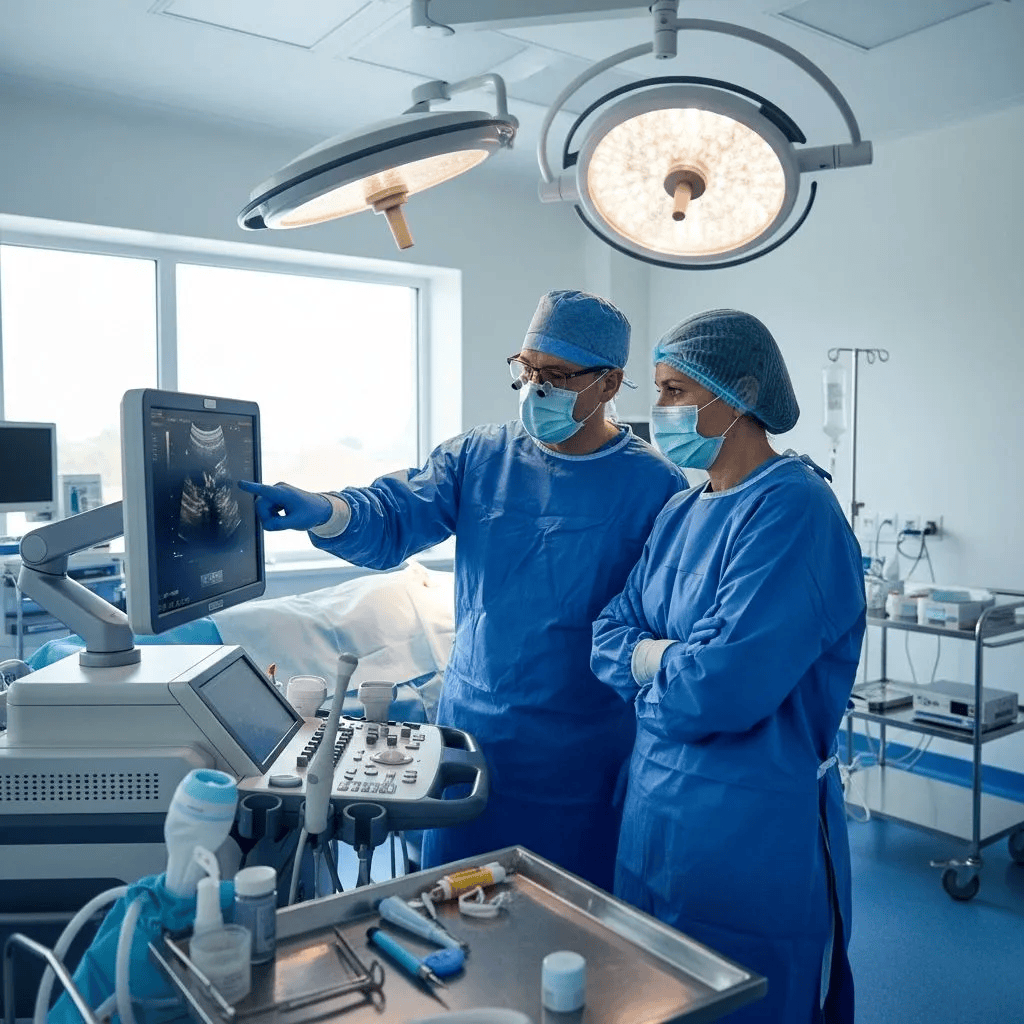
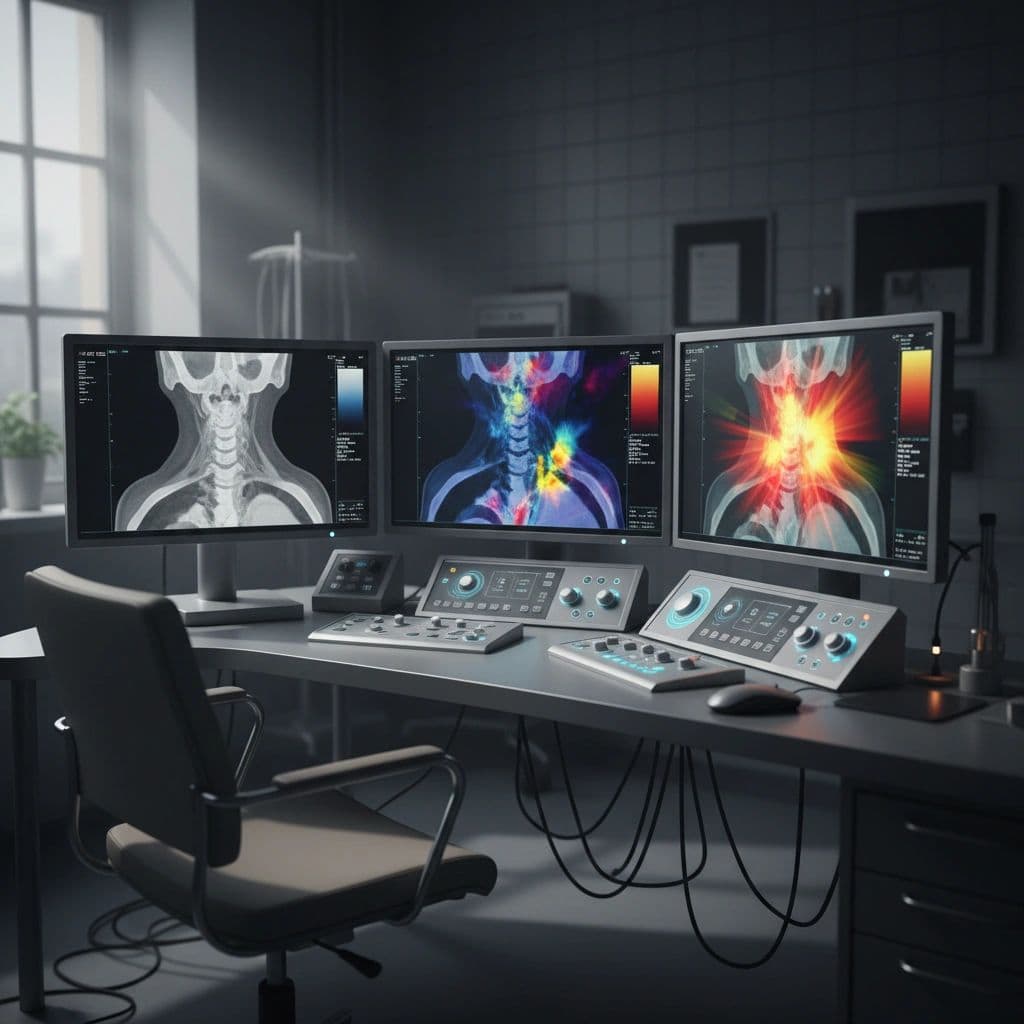
Comprehensive imaging: Often including ultrasound, sestamibi scan, and 4D-CT. Sometimes MRI or selective venous sampling for difficult cases.
-
A surgeon experienced in reoperative parathyroid surgery: This is the most important determinant of success and safety in a reoperation.
-
Patient counseling: The complication risks and cure rates differ from a first operation, and you should hear those numbers before you decide.
Surgical Approach
Reoperative parathyroid surgery is fundamentally different from a first operation. The surgeon often works through fresh tissue planes from a different direction (lateral or posterior approaches rather than directly anterior). Intraoperative PTH monitoring is essential to confirm cure. Frozen section pathology may be used to confirm that parathyroid tissue is being removed rather than scar or lymph node.
| Outcome | Approximate Rates in Experienced Hands |
|---|---|
| Cure rate (reoperation) | 90 to 95% |
| Permanent nerve injury | 2 to 5% (higher than first operations) |
| Permanent hypoparathyroidism | 5 to 10% (higher than first operations) |
⚕ Clinical note
Cure rates and complication rates in reoperative parathyroid surgery depend heavily on the surgeon. The numbers above are for centers with substantial reoperative experience. At low-volume centers, both cure rates and complication rates are worse. Reoperative parathyroid surgery is the strongest indication of all to seek a high-volume specialty center.
When Reoperation Is Not the Right Answer
Not every patient with persistent or recurrent hyperparathyroidism needs another operation. For mild disease without significant symptoms or end-organ effects, observation may be appropriate. For elderly patients with significant other medical problems, the surgical risk may outweigh the benefit. For patients in whom complete imaging cannot localize the disease, surgery becomes more challenging and the threshold for proceeding is higher.
Cinacalcet (a medication that suppresses PTH secretion) is occasionally used in selected patients who are not surgical candidates. It does not cure the disease, but it can help control symptoms.
The Bottom Line
Persistent or recurrent hyperparathyroidism after a first operation is uncommon but not rare. The reoperative situation is meaningfully different, with different surgical approaches, slightly lower cure rates, and slightly higher complication rates. Outcomes track strongly with reoperative surgeon experience. Comprehensive imaging and a careful workup come before any decision to reoperate.
If your first parathyroid surgery did not cure your disease, ask for a consultation with a high-volume parathyroid surgeon who specifically performs reoperative parathyroid surgery before you decide on next steps.
This article is intended for patient education only. It does not constitute medical advice and does not replace a consultation with your physician. Individual patient circumstances and clinical judgment determine the appropriate evaluation and management for every patient.
More from the Parathyroid Disease series


Ready to Talk to a Specialist?
A thyroid specialist can review your specific results, answer your questions, and help you understand exactly what your next steps should be. The ATLAS network connects you with experienced thyroid and parathyroid expert physicians who focus on thyroid disease.
Find a Thyroid Specialist Near You →