Core-Needle Biopsy vs. FNA for Thyroid Nodules
Written by John P. Sabra, MD FACS
Updated September 2026
Educational only. This article is not medical advice. Always consult your physician about your individual situation.
Fine-needle aspiration (FNA) is the standard type of needle biopsy for thyroid nodules. Core-needle biopsy is a different procedure that uses a slightly larger needle to obtain a small core of tissue rather than just the individual thyroid cells. Both approaches can diagnose thyroid disease, but they answer slightly different questions, and they are appropriate in different situations.
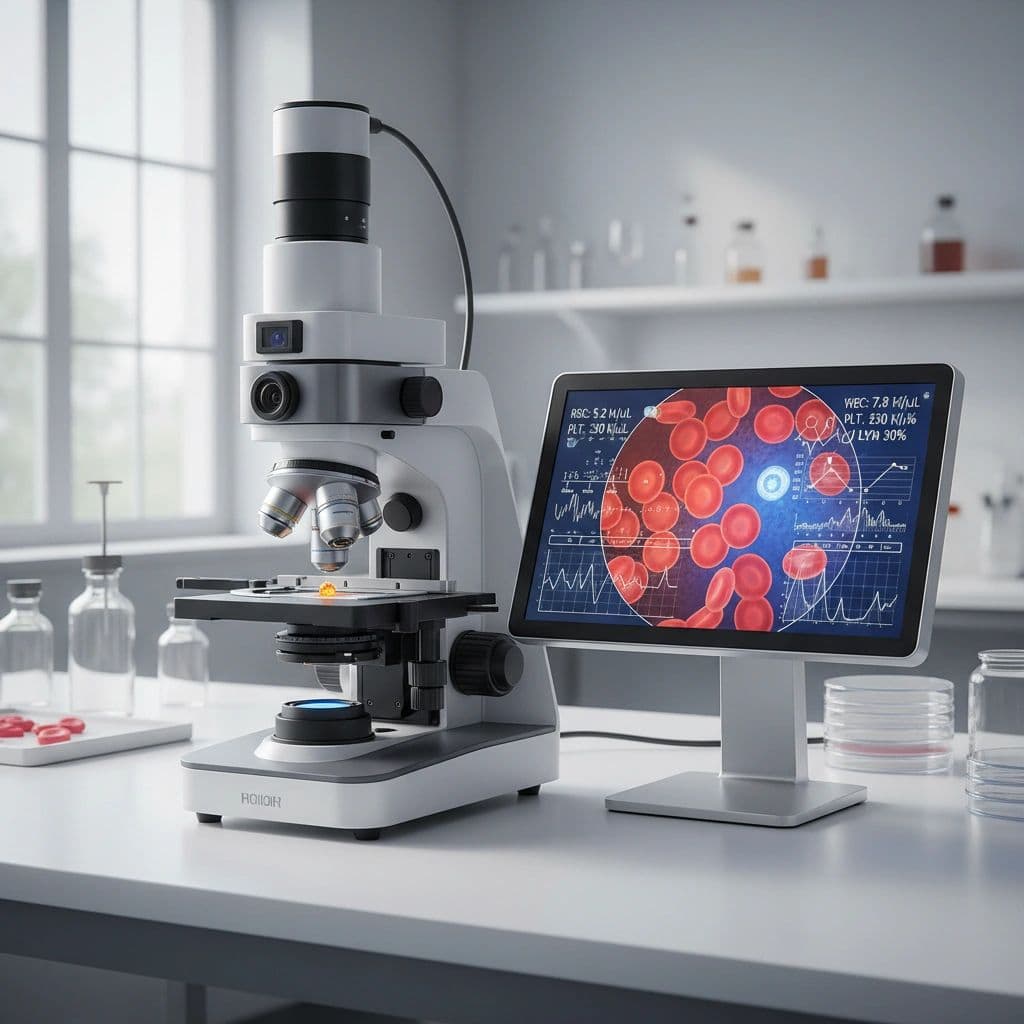
FNA uses a very thin needle, typically 25 to 27 gauge, inserted into the nodule under ultrasound guidance. The needle is moved through the nodule briefly to aspirate cells, which are then prepared on a slide and examined under the microscope by a cytopathologist. The procedure is brief, well tolerated, and the standard first-line biopsy for thyroid nodules in nearly every setting.
Core-needle biopsy uses a larger needle, typically 18 to 20 gauge, with a spring-loaded mechanism that cuts a small core of tissue. The core preserves the architecture of the nodule, which lets a histopathologist examine the tissue the way they would for an actual surgical specimen. The procedure is slightly more invasive and is used selectively, not as a first-line approach. It is typically used when an FNA biopsy returns twice or more as “non-diagnostic”, and a larger sample of tissue is needed.
When FNA Is the Right Choice
-
FNA biopsy is nearly always the initial biopsy approach for a thyroid nodule, and the standard approach for nearly all situations.
-
It is still used for a repeat biopsy after a non-diagnostic first FNA, and the second FNA with improved technique resolves the majority of these cases.
-
For analysis of a lymph node in the neck FNA is generally appropriate for most lymph node sampling.
When Core-Needle Biopsy Is Considered
-
Persistently non-diagnostic FNA results: When two FNAs have failed to produce a diagnostic sample, a core biopsy can yield enough tissue where FNA could not.
-
Suspected lymphoma of the thyroid: Thyroid lymphoma is rare but requires histology to characterize fully. FNA can suggest lymphoma, but core biopsy provides the definitive diagnosis.
-
Suspected anaplastic thyroid cancer: When the cytology suggests anaplastic disease, the additional tissue from a core biopsy can speed full molecular characterization, including BRAF testing.
-
Diagnosis of metastatic disease in the thyroid: Rare, but it happens. A core biopsy may better identify the primary cancer site.
-
When molecular testing requires more tissue than FNA provides: Some specialized tests need a larger sample.
⚕ Clinical note: Core-needle biopsy is more invasive than FNA. The risks of bleeding, bruising, and discomfort are slightly higher. The procedure requires more local anesthesia and a slightly longer observation period afterward. For those reasons, it is not a first-line biopsy. It is reserved for specific situations where the extra tissue is genuinely needed.
Comparison
| Feature | FNA | Core-Needle |
|---|---|---|
| Needle size | 25 to 27 gauge (very thin) | 18 to 20 gauge (larger) |
| Sample type | Cells on slides (cytology) | Core of tissue (histology) |
| Pain level | Mild | Moderate |
| Bleeding risk | Very low | Slightly higher |
| Tissue preserved | Cellular detail only | Tissue architecture preserved |
| Routine use | Standard first-line | Selected situations |
Where Core-Needle Biopsy Is Used Most
Core-needle biopsy is more commonly used in European and Korean thyroid practice than in the United States. Several large series from those regions have shown high diagnostic yield and acceptable safety. In U.S. practice, it remains a selective tool used at centers with specific expertise.
⚕ Clinical note: For the majority of patients, FNA is the correct initial biopsy for thyroid nodules. The question of whether to use core-needle biopsy typically comes up after two non-diagnostic FNAs, or when a specific diagnostic question such as lymphoma or anaplastic cancer cannot be answered by cytology alone. Both biopsies are valid, they simply answer slightly different questions.
The Bottom Line
FNA is the standard first-line biopsy for thyroid nodules. Core-needle biopsy is reserved for selected situations: persistent non-diagnostic FNA, suspected lymphoma or anaplastic cancer, suspected metastasis to the thyroid, or when molecular testing requires more tissue. Both are valid procedures performed under ultrasound guidance. The choice comes down to the clinical question being asked.
If two FNA biopsies have been non-diagnostic, ask your physician whether core-needle biopsy is available locally and whether it is appropriate for your specific situation.
This article is intended for patient education only. It does not constitute medical advice and does not replace a consultation with your physician. Individual patient circumstances and clinical judgment determine the appropriate evaluation and management for every patient.
More from the Needle Biopsy (FNA) series




Ready to Talk to a Specialist?
A thyroid specialist can review your specific results, answer your questions, and help you understand exactly what your next steps should be. The ATLAS network connects you with experienced thyroid and parathyroid expert physicians who focus on thyroid disease.
Find a Thyroid Specialist Near You →